

Mitochondrial Dysfunction
When Cellular Energy, Signalling, and Quality Control Lose Resilience
An Overview of Mitochondrial Dysfunction
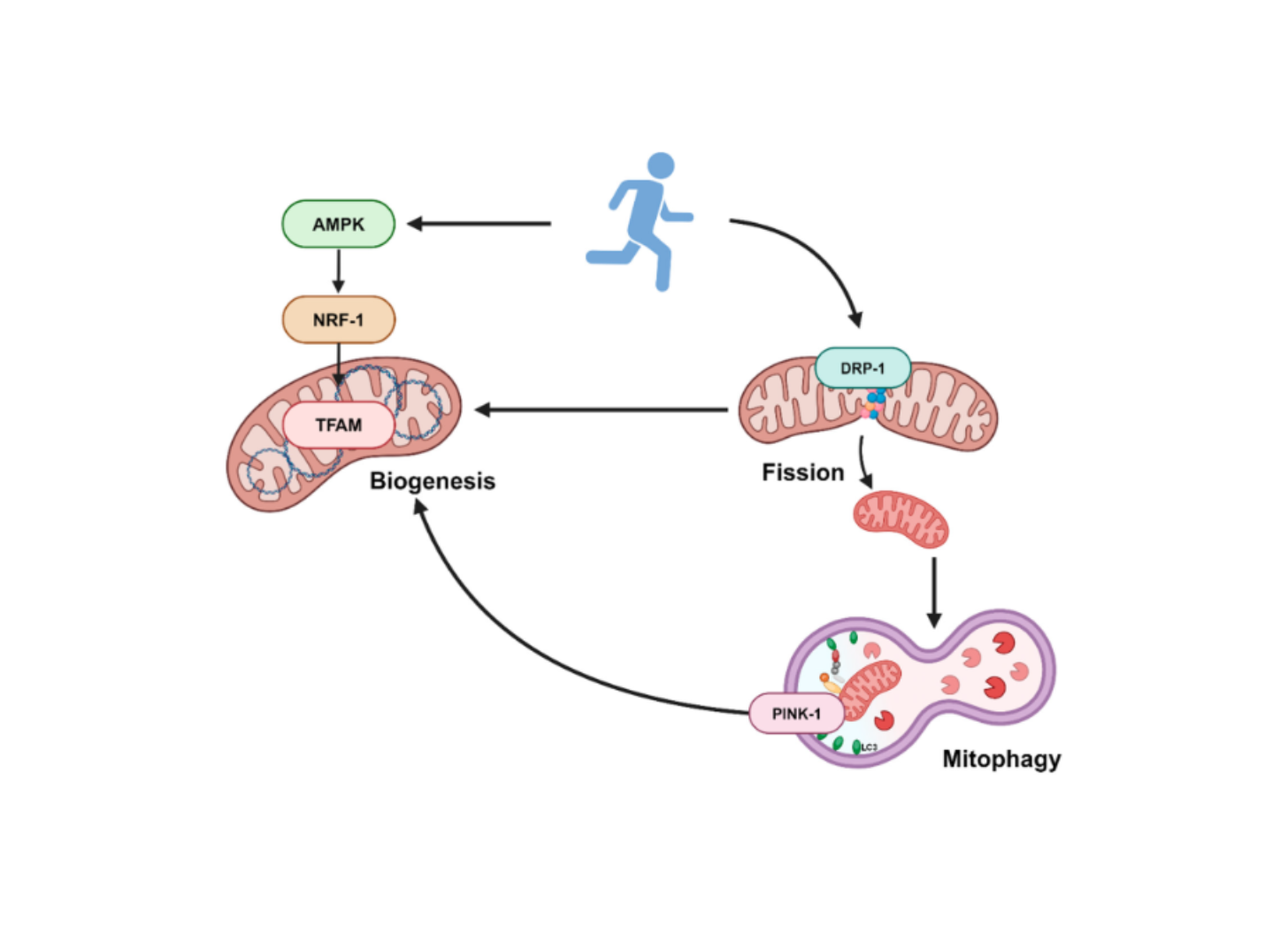
Mitochondrial dysfunction is often described as an energy problem, but this captures only one aspect of a much broader process. Mitochondria continually adjust energy production to cellular demand while coordinating redox and calcium signalling, maintaining mitochondrial proteins and DNA, and removing components that can no longer be repaired.[1–7] Dysfunction develops when these systems become less able to adapt, recover, or maintain mitochondrial quality. The consequences may become most apparent during exercise, illness, or aging, when physiological demand rises and mitochondrial reserve is tested.[6–10]
Mitochondrial abnormalities are observed across many diseases of aging, including neurodegenerative, cardiometabolic, cardiovascular, and musculoskeletal disorders.[2,6,8,9] Mitochondrial phenotypes differ by tissue, disease, and stage of progression, making it difficult to assign mitochondrial dysfunction a single position in the pathological sequence. It may precede overt disease, develop in response to another cellular disturbance, or become increasingly important as pathology advances. Rather than functioning solely as a cause or consequence, mitochondrial dysfunction can become part of a feedback loop in which declining mitochondrial performance increases cellular stress and vulnerability, while the disease environment places further pressure on mitochondrial function.[8–10]
| Concept | Summary |
|---|---|
| The central problem | Mitochondria must sustain cellular function while demand, nutrient availability, and stress continually change. |
| What dysfunction means | Loss of performance or adaptability across energy production, signalling, dynamics, genome integrity, or quality control. |
| Where it matters | Most evident in tissues with high or fluctuating energy demands, including brain, heart, vascular tissue, and skeletal muscle. |
| Associated conditions | Aging, neurodegenerative disease, insulin resistance and type 2 diabetes, cardiovascular dysfunction, frailty, and sarcopenia. |
| How it is measured | No single test is sufficient; strong studies combine molecular or mitochondrial measures with functional outcomes. |
| Most established support | Exercise has the strongest human evidence for coordinated mitochondrial remodelling and adaptation. |
| Core caution | A mitochondrial biomarker can show target engagement without demonstrating symptom, disease, healthspan, or lifespan benefit. |
The Mito Protocol
Explore mitochondrial biology, clinical assessment, therapeutic strategies, diagnostic tools, and the latest research on mitoquinol and mitochondrial health.
Quick Access
Diagnosing
Mitochondrial Dysfunction
Assessment frameworks,
biomarkers and diagnostic tools.
Clinical Evidence for
Mitoquinol Mesylate
Human trials, mechanistic studies and clinical summaries.
Latest Resources
Prescriptions
Practitioner Resources
Handouts, technical sheets, webinar recordings and guides.




Browse by Condition

Cardiovascular

MitoQ (Mitoquinol Mesylate)
1000+ peer-reviewed articles
30+ Clinical Trials



Cognition
Women’s Health
Fatigue
Aging
Skin Health